
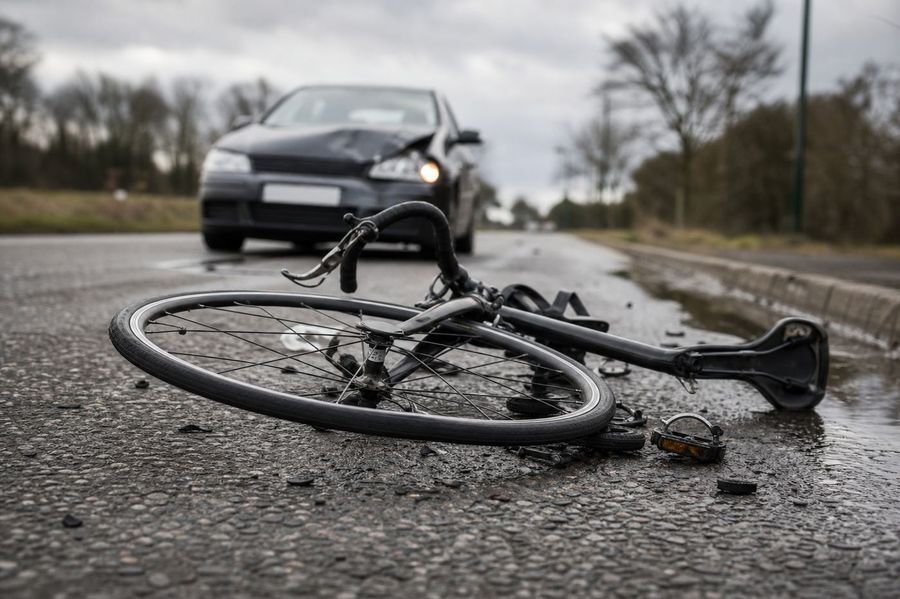
Cycling on UK roads carries real risk. According to Department for Transport statistics, thousands of cyclists are killed or seriously injured on British roads every year — the majority in collisions involving motor vehicles. If you are among them, and the accident was not your fault, you are entitled to pursue a compensation claim.
Many cyclists don't realise this. They assume that because they weren't in a car, their options are limited. They are not.
Can I Claim Compensation as a Cyclist?
Yes — absolutely. The fact that you were on a bicycle rather than in a car does not reduce your legal rights. If a driver caused the accident through negligence — by failing to give way, running a red light, turning without checking for cyclists, or simply not looking — you have the same right to compensation as any other road accident victim.
You can claim whether you were cycling on a designated cycle lane, a shared path, or the main carriageway.
What Can Cyclists Claim Compensation For?
A cyclist's compensation claim can cover a wide range of losses:
- General damages (pain and suffering): For physical injuries, psychological trauma, and reduction in quality of life
- Medical and rehabilitation costs: GP visits, specialist consultations, physiotherapy, surgery
- Lost earnings: Income lost while you were unable to work, including future earning capacity if the injury is long-term
- Bicycle damage or replacement: The cost to repair or replace your bike and cycling equipment
- Damaged clothing and equipment: Helmet, cycling gear, electronic devices
- Travel costs: Transport expenses incurred as a result of the accident
- Care and assistance: If you required help from family members during recovery
Common Types of Cyclist Accident
The "Left Hook" Collision
A driver overtakes a cyclist and then turns left, directly into their path. This is one of the most common — and most devastating — types of cycling accident in the UK. It is almost always the driver's fault.
Dooring Accidents
A parked car occupant opens their door into the path of a passing cyclist. The Highway Code requires car occupants to check for cyclists before opening a door. Failure to do so creates liability for the driver or passenger responsible.
Junction and Roundabout Collisions
Cyclists are particularly vulnerable at junctions, where drivers pulling out may fail to see them. If a driver failed to give way and struck you, liability typically rests with them.
Rear-End Collisions
A driver fails to leave sufficient stopping distance and drives into the back of a cyclist. Speed and visibility are key factors, but in most cases the driver bears responsibility.
Rachel P., Bristol
Rachel was cycling to work when a van overtook her and turned left across her path. She was thrown from her bike, sustaining a broken collarbone and severe road rash. Her bicycle, worth £1,400, was destroyed. The van driver initially denied fault, but dashcam footage from a following vehicle showed the overtake and turn clearly. Rachel's solicitor secured a settlement covering her injuries, lost earnings during recovery, and full replacement of her equipment.
Do I Need to Have Been Wearing a Helmet?
Wearing a cycle helmet is not a legal requirement in the UK. However, if you were not wearing a helmet and suffered a head injury, an insurer may argue contributory negligence — attempting to reduce your compensation on the basis that a helmet would have mitigated your injuries.
Courts have taken varying approaches to this argument. It does not prevent you from claiming, but it may affect the final settlement. Your solicitor can advise you on the specific circumstances of your case.
What If the Driver Claims It Was My Fault?
This is very common. Drivers (and their insurers) frequently dispute liability in cyclist accidents, particularly where there were no witnesses. Evidence is therefore critical:
- Your own helmet camera or bike-mounted camera footage
- Dashcam footage from other vehicles
- CCTV from nearby premises or traffic cameras
- Photographs of the scene, vehicle damage, and road markings
- Independent witness statements
- Police accident report (if one was filed)
What If the Driver Had No Insurance?
If the driver who hit you was uninsured, you can still claim through the Motor Insurers' Bureau (MIB) Uninsured Drivers Agreement. The MIB exists precisely for this situation and can provide compensation for your injuries and losses — you do not need the other driver to have insurance.
Similarly, if the driver fled the scene (a hit and run), the MIB's Untraced Drivers Agreement may apply. There are specific notification deadlines, so act quickly.
How Long Do I Have to Claim?
The standard limitation period is 3 years from the date of the accident. However, if your injuries were not immediately apparent, the clock may start later. Children have until their 21st birthday to bring a claim. For MIB claims, notify the bureau as soon as possible — there are shorter deadlines that apply.
The sooner you act, the better your evidence position and the stronger your claim.